

 Available in US
What Australian Gambling Law Actually Allows
Australia does not have one gambling statute or one national gambling authority that decides every question. Responsibility is divided between the Commonwealth and the states and territories. That division matters because the legal position can change depending on the product being offered, the location involved and whether the activity is conducted online.
For a reader considering pokies, casinos, betting products or gambling apps, the first distinction is between federal rules for interactive gambling and state or territory licensing for lawful wagering. Treating “licensed gambling” as one broad category obscures the point at which the law draws a firm line: online sports and race betting may be licensed, but an online casino serving Australian customers cannot be licensed domestically.
Federal and state responsibilities
State and territory governments regulate much of the gambling conducted within their jurisdictions. They issue relevant licences for products such as sports and race wagering and regulate gambling businesses operating under those permissions. The licensing authority is therefore not a single national body covering every form of gambling.
This index highlights operators with clearly stated licensing, bonus, deposit, and payout details, helping readers identify which offers and terms are most relevant to their needs. Use the available facts as a starting point when reviewing each option.
License: Curacao eGaming Licence · Min. deposit: A$10 Rocket Play operates under a Curacao eGaming Licence and lists a minimum deposit of A$10.
License: Curacao eGaming Licence · Min. deposit: A$10 PlayWest operates under a Curacao eGaming Licence and lists a minimum deposit of A$10.
License: Curacao eGaming OGL/2023/174/0082 (Dama N.V.) · Bonus: up to A$10,000 + 500 free spins across 4 deposits · Min. deposit: A$15 LevelUp Casino holds a Curacao eGaming OGL/2023/174/0082 licence through Dama N.V. Its offer reaches up to A$10,000 plus 500 free spins across four deposits, with a minimum deposit of A$15.
License: Curacao Gaming Control Board OGL/2023/176/0095 (Hollycorn N.V.) · Bonus: 100% up to A$10,000 + 100 free spins GoldenCrown is licensed by the Curacao Gaming Control Board under OGL/2023/176/0095 through Hollycorn N.V. It advertises 100% up to A$10,000 plus 100 free spins.
License: Curacao Gaming Control Board OGL/2023/176/0095 (Hollycorn N.V.) · Bonus: up to A$1,500 + 200 free spins across 3 deposits LuckyVibe is licensed by the Curacao Gaming Control Board under OGL/2023/176/0095 through Hollycorn N.V. Its promotion offers up to A$1,500 plus 200 free spins across three deposits.
License: Curacao eGaming OGL/2024/923/0383 (Antillephone N.V.) · Bonus: up to A$2,000 + 100 free spins across 2 deposits · Min. deposit: A$30 WinSpirit Casino operates under a Curacao eGaming OGL/2024/923/0383 licence through Antillephone N.V. It offers up to A$2,000 plus 100 free spins across two deposits, with a minimum deposit of A$30.
License: Curacao, operated by Dama N.V. · Bonus: 325% up to 5.25 BTC + 250 free spins across 4 deposits 7Bit Casino is operated by Dama N.V. under a Curacao licence. Its listed promotion provides 325% up to 5.25 BTC plus 250 free spins across four deposits.
Bonus: up to A$7,500 + 550 free spins across 10 deposits, 50x wagering · Payout speed: crypto under 1 hour, PayID 1-3 business days · Min. deposit: A$20 (A$30 to qualify for the bonus) Ricky Casino offers up to A$7,500 plus 550 free spins across ten deposits, with 50x wagering. Crypto payouts are stated as taking under one hour and PayID payouts one to three business days; the minimum deposit is A$20, or A$30 to qualify for the bonus.
License: international iGaming licence – jurisdiction not named in the source · Bonus: 100% up to A$1,000 + 100 free spins, 35x wagering · Payout speed: PayID 1-24 hours · Min. deposit: A$30 (PayID from A$10) House of Pokies lists an international iGaming licence, although the jurisdiction is not named in the source. Its offer is 100% up to A$1,000 plus 100 free spins with 35x wagering; PayID payouts are stated as taking one to 24 hours, with a A$30 minimum deposit or A$10 minimum for PayID.
License: Curacao Gaming Control Board · Bonus: up to A$5,000 + 400 free spins JustCasino operates under a Curacao Gaming Control Board licence. It advertises up to A$5,000 plus 400 free spins.
The federal layer addresses interactive gambling services delivered through the internet and other communications technologies. The central legislation is the Interactive Gambling Act 2001. It makes it illegal for gambling providers to offer certain online services to people in Australia.
This produces a structure that is easy to misread:
- A gambling product may be lawful in Australia when offered by an operator with the relevant local licence.
- The existence of a licence for one gambling product does not authorise a different product.
- A foreign operator’s permission to operate in another jurisdiction does not create an Australian licence.
- Online casino games remain prohibited even though some forms of online wagering are licensed.
The relevant question is not simply whether a website describes itself as regulated. You need to identify both the product and the legal authority said to cover it.
What the Interactive Gambling Act changes
The Interactive Gambling Act targets providers of prohibited services. It is not a general criminal prohibition on Australians placing bets with an offshore website. In practical terms, an Australian is not committing a crime merely by placing a bet at an offshore site. That does not make the service lawful, safe or authorised for Australian customers. The legal exposure described by the Act is directed at the provider offering the prohibited service.
The Act covers online casino-style products when they are offered to an Australian customer. This includes pokies, roulette, blackjack and live-dealer tables. In the language of the legislation, these are “prohibited interactive gambling services”.
That classification is product-specific. It does not mean that every online gambling activity is prohibited. Online sports betting is legal when it is provided under the relevant state or territory licensing arrangements. Race wagering is also part of the licensed market. The distinction is therefore not between “online” and “offline” gambling alone. It is between services the law permits to be supplied under the applicable framework and services the federal law prohibits from being supplied online to Australians.
Sports and race betting services that operate under specific state or territory licenses.
Online services offering pokies, roulette, blackjack, or live-dealer tables to Australians.
The role of ACMA
The Australian Communications and Media Authority (ACMA) monitors compliance with and enforces Australia’s interactive gambling laws. ACMA’s role is separate from the state and territory bodies that issue gambling licences for permitted products.
Where an online provider operates in breach of the Interactive Gambling Act, ACMA can direct internet service providers to block access to the relevant site. Blocking action is an enforcement measure against services that are not entitled to operate for the Australian market. It should not be mistaken for a licensing system: a blocked site has not lost an Australian casino licence, because no such domestic licence exists for online casino games in the first place.
ACMA also publishes a register of Australian-licensed interactive wagering service providers. That register is relevant to lawful interactive wagering, not a back door into online casino licensing. A listing for a wagering provider cannot be read as approval to offer pokies, roulette, blackjack or live-dealer tables to Australian customers.
The same caution applies to claims made on an operator’s own website. Words such as “licensed”, “regulated” or “approved” are incomplete unless they identify the jurisdiction, the licence and the product covered by that permission. A foreign authorisation may describe the operator’s status overseas, but it does not override the Interactive Gambling Act or turn an offshore casino into a lawful Australian service.
The boundary between wagering and casino services
The lawful online market is narrower than general gambling language often suggests. Local operators holding relevant licences may offer gambling products to Australian residents, but that permission is tied to the relevant licensed activity. Online sports betting is the clearest example. It is legal and licensed at state and territory level, subject to the rules that apply to the operator and product.
Online casino games sit on the other side of the boundary. No domestically licensed real-money online casino exists for Australian players. There is no Australian gambling licence for casino games because offering that product to Australians is against the law.

That remains true whether the service is delivered through a desktop website, a mobile browser or an app. Changing the interface does not change the product. A casino app offering pokies, roulette, blackjack or live-dealer tables is still providing an online casino service. Calling it an app rather than a casino website does not create a lawful Australian licence.
The same principle applies to branding. A site may call itself a casino, entertainment platform, gaming club or international operator. Those labels do not decide its legal status. The substance of the service does: if it offers prohibited online casino games to an Australian customer, the federal restriction remains relevant.
What “licensed” should mean here
“Licensed” is not a universal quality mark. In Australia, it must be read in context. A licence may authorise a local operator to provide sports or race wagering, while leaving it unable to offer online casino games. The existence of one lawful betting service therefore says nothing about whether a separate casino service is permitted.
Nor does an overseas licence authorise service for Australians. Offshore casinos commonly refer to licensing from Malta or Curaçao. Those authorities maintain public registers where a licence number and status can be checked, but an entry in a foreign register is not an Australian casino licence. It confirms, at most, that the operator claims a relationship with that foreign regulator. It does not remove the Australian prohibition on providing online casino games to Australian customers.
For that reason, “choose a licensed online casino” is not a sound instruction for this market. There is no domestic casino licence to verify. The legally meaningful distinction is whether the service is a permitted, locally licensed wagering product or a prohibited online casino service. Once that boundary is clear, claims about pokies and casinos can be assessed without confusing a foreign authorisation with permission to operate in Australia.
Essential Distinction A foreign or offshore licence does not grant an operator permission to provide online casino services to Australian customers.
Bonuses Are Not a Shortcut Around the Rules
A bonus can make an offer look generous, but it does not change the legal status of the service behind it. In Australia, promotions must be read in the context of the product being offered, the provider’s authority to offer it, and the rules that restrict inducements. Treating a bonus as the main reason to open an account reverses that order. The first question is not what you receive; it is whether the service is allowed to offer anything to Australian customers at all.
That distinction matters most when advertising uses familiar casino language. An offer described as a welcome bonus, deposit match, free spins package or promotional reward may still relate to an online casino service prohibited under the Interactive Gambling Act 2001. A promotion cannot turn an unlawful online casino into a lawful one. Nor can a foreign licence authorise an operator to provide casino games to Australian residents.

Read the product before the promotion
Promotions are not separate from the gambling product. They are part of how that product is marketed and delivered. If the underlying service is prohibited, its bonus is not a safer entry point or a legal exception. It is simply an inducement attached to the same service.
This is particularly important for online casino offers. Australian law distinguishes between licensed wagering products, such as sports and race betting, and prohibited online casino services. Pokies, roulette, blackjack and live-dealer tables offered online to an Australian customer fall within the category of prohibited interactive gambling services. Calling the accompanying offer a “reward” does not remove that classification.
The practical test is therefore straightforward:
- Identify what the promotion is attached to.
- Establish whether that product may lawfully be offered to Australians.
- Treat claims about licences separately from claims about bonuses.
- Do not assume that a welcome offer, free bet or deposit incentive proves that an operator is authorised.
This approach also prevents a common confusion between an operator’s marketing message and a regulator’s approval. ACMA monitors compliance with Australia’s interactive gambling laws, but it does not turn a promotional page into an endorsement. An operator cannot be described as ACMA-licensed or ACMA-approved merely because its website is accessible or its advertising is visible.
Inducements deserve closer scrutiny
An inducement is an offer designed to encourage someone to open, fund or continue using a gambling account. In Australia, that category can include sign-up offers, first-deposit bonuses, free bets and refer-a-friend promotions. The label is less important than the function: if the offer is intended to bring a customer into gambling or keep that customer active, it should not be treated as harmless advertising.
The attraction is obvious. A promotion can make the initial decision feel less costly, especially when the wording emphasises something added to the account rather than money that could be lost. That framing can obscure the commercial purpose of the offer. The operator is not giving information for its own sake; it is trying to influence participation.
Consumer protection requires attention to the conditions as well as the headline. Promotional language may leave important details in terms and conditions, including eligibility, restrictions on use, withdrawal conditions and the circumstances in which an offer can be removed. Those details can determine the practical value of a promotion. A prominent “bonus” label is not a substitute for understanding the obligation created by accepting it.
For that reason, a promotion should never be assessed in isolation from:
- the identity of the provider;
- the gambling product involved;
- the jurisdiction governing the service;
- the conditions attached to acceptance;
- the consequences of closing or restricting the account.
The point is not that every promotional term is automatically unlawful. The point is that promotional value cannot be used to answer a legal question. An offer may be attractive and still be attached to a service that cannot lawfully be provided in Australia.
Legal wagering is not a licence for casino bonuses
Australia does have a licensed wagering market. Online sports betting is legal where the operator holds the relevant state or territory authority, and race wagering is also regulated. That does not create a general permission for every type of online gambling promotion.
A promotion attached to a regulated wagering service must still be assessed under the applicable restrictions on inducements and advertising. A sports-betting offer is not automatically acceptable because sports betting itself can be licensed. Conversely, the existence of licensed bookmakers does not provide cover for online casino promotions. The two products occupy different legal categories.
- Identify the specific product being offered.
- Verify the licensing authority for that product.
- Check the operator’s legal entity via official registers.
- Assume a welcome bonus proves legality.
- Use an overseas licence as proof of Australian compliance.
- Treat branding labels like “casino” as legal status.
This is where broad advertising language can mislead. A website may present sports betting, racing, casino games and promotional rewards under one brand. The fact that one part of the business may hold a relevant wagering authority does not authorise the rest. A licence for race or sports wagering is not a casino licence, and Australia has no domestic licence for real-money online casinos serving Australian players.
The same reasoning applies to offshore casinos. Malta or Curacao licensing may describe the regulator under which an overseas operator claims to operate, but it does not authorise that operator to provide prohibited casino services to Australians. A foreign licence is not an Australian exemption.
What enforcement tells you
The legal position is not merely theoretical. The Interactive Gambling Act targets providers rather than players. Australians are not committing a crime simply by placing bets at offshore sites, but that does not make the service lawful or give the customer the protections associated with a locally authorised operator.
ACMA can direct internet service providers to block websites operating in breach of the Act. Its enforcement record shows why a bonus should not be treated as evidence of permanence or legitimacy. As of August 2025, ACMA said it had blocked 1,296 illegal sites and affiliates since 2019. More than 220 illegal gambling services had voluntarily exited the Australian market following ACMA action.

The published figures are not a promise that every illegal website will disappear immediately. They show instead that access can be disrupted and that a promotional page may not remain available when a provider comes under regulatory attention. A customer who joins because of a bonus can be left dealing with an unavailable service, without having gained any legal protection from the promotion itself.
The sensible order is therefore simple: establish whether the product and provider may lawfully serve Australians, then examine any permitted advertising or promotional conditions. Starting with the bonus encourages the opposite decision. It gives the sales message control over the legal assessment, which is precisely what consumer protection is meant to prevent.
Payments and Withdrawals: Check the Licence Before the Method
When money is involved, the payment method is not the first thing to check. The first question is who is operating the service and whether that operator is authorised to provide the relevant product to people in Australia.
A familiar deposit option, a polished cashier page or a licence displayed in the footer does not answer that question. Payment processing and gambling authorisation are separate matters. An operator may accept a transfer or show a foreign licence while still lacking permission to offer online casino games to Australian customers.
Start with the operator, not the cashier
Before considering a deposit or withdrawal, identify the legal entity behind the website. Look for the operator’s name, licence number and licensing authority in the site’s terms or regulatory information. These details should be specific enough to verify independently. A logo without a licence number is not a useful verification record.
For licensed interactive wagering, ACMA publishes a register of Australian-licensed interactive wagering service providers. That register is relevant to authorised wagering services, such as betting products covered by Australian licensing arrangements. It is not evidence that an online casino is locally licensed. No Australian gambling licence exists for casino games because offering that product to Australians is against the law.
Payment Risks Attention A familiar deposit method or a professional cashier page is not evidence that an operator is authorised to serve Australians.
That distinction matters when a website describes itself broadly as a “licensed gambling operator”. The wording may refer to a product that can lawfully be offered under an Australian state or territory licence, while the same website presents casino games under a different legal arrangement. The existence of one authorised activity does not automatically authorise another.
The Northern Territory Racing Commission acts as the de facto regulator for national online bookmakers. This can help explain why an online wagering business may refer to Northern Territory regulation even when its customers are located across Australia. It still does not turn an online casino product into a locally licensed service.
How licence checking works
A licence number should be treated as a starting point, not as proof by itself. Copy the number and compare it with the licensing authority’s official register or verification page. Check that:
- the licence belongs to the same legal entity named in the operator’s terms;
- the licence status is current;
- the authorised activity matches the product being offered;
- the website domain or brand is connected to that licence where the register provides this information.
The last point is easy to overlook. A licence can belong to a company without authorising every brand, domain or gambling product associated with that company. The name on a payment screen may also differ from the consumer-facing brand. That difference does not automatically mean misconduct, but it is a reason to examine the operator’s terms and corporate details before sending money.
For an Australian-licensed interactive wagering provider, the relevant check is the Australian register published by ACMA. For an offshore casino, the website may instead refer to the Malta Gaming Authority (MGA) or a Curaçao licensing authority. Both maintain public registers where users can check a licence number and its status.
A successful foreign-register search answers a narrow question: whether the named entity has, or had, a licence from that foreign authority. It does not answer the more important Australian question of whether the operator may provide online casino games to Australian customers.

Why a foreign licence is not an Australian permission
Offshore operators commonly hold licences from Malta or Curaçao rather than an Australian casino licence. Those licences may impose requirements under the law of the issuing jurisdiction, but they do not create an Australian casino licence. No domestically licensed real-money online casino exists for Australian players.
This is the point at which many payment checks go wrong. A reader sees a regulator’s name, confirms that the number appears in a foreign register and concludes that the service is lawful locally. That conclusion does not follow. A foreign licence may identify the operator and provide a route for complaints under the foreign system, but it cannot override Australia’s restrictions on prohibited interactive gambling services.
The same applies to claims that a service is “regulated internationally” or “licensed for Australians”. Such wording needs to be tested against the actual issuing authority, the legal entity and the product. If the service is an online casino offering pokies, roulette, blackjack or live-dealer tables to an Australian customer, the foreign licence does not make that activity lawful in Australia.
Payments can reveal a different legal entity
Deposit and withdrawal screens may show a merchant name, payment processor or corporate entity that is not identical to the brand. Keep the records needed to identify where money was sent: the operator’s terms, the stated legal entity, the licence details and the transaction description.
This is not a recommendation to fund an offshore casino. It is a practical warning about transaction risk. If a withdrawal becomes disputed, the brand name alone may not identify the business responsible for the account. A mismatch between the website, the terms and the payment recipient makes it harder to establish who accepted the funds and under which rules.
Do not treat a payment method as evidence of legitimacy. A bank transfer, wallet or other familiar method only describes how funds move. It does not confirm that the operator is authorised to offer the underlying gambling product. The same is true of a professional-looking account area: design is not regulation.
Licence Verification
Find the operator’s name and licence number in the site’s terms or regulatory information.
Compare the number with the official register of the issuing authority (e.g., ACMA for Australian wagering, or MGA/Curaçao for offshore).
Ensure the licence covers the specific product being offered, as a wagering licence does not permit online casino games.
You should also be cautious when a site makes broad claims about Australian compliance but directs you to a foreign register. That register may be genuine and the licence may be active, yet the service can still fall outside the products permitted for Australian customers. Verification has to match the product, the jurisdiction and the customer’s location.
A short verification sequence
Before relying on any statement about licensing, use this order:
- Identify the legal operator and the exact product being offered.
- Check whether the product is one that Australian operators may lawfully provide.
- For interactive wagering, consult the relevant Australian licensing information, including ACMA’s register of Australian-licensed interactive wagering service providers.
- If the site cites the MGA or a Curaçao authority, verify the licence number in that authority’s public register.
- Compare the registered entity with the operator’s terms, brand and payment information.
- Treat a foreign licence as foreign oversight, not as permission to serve Australian casino customers.
This sequence prevents the payment method from distracting from the legal question. It also avoids a common but unsafe shortcut: assuming that because money can be deposited, the service is authorised to accept it.
For Australian readers, the central distinction is straightforward. Australian-licensed wagering providers can be checked through the relevant local licensing arrangements. An offshore licence may be checkable in Malta or Curaçao. Neither check creates a local licence for online casino games. When the product itself is prohibited for Australian customers, the responsible conclusion is not to search for a more convenient withdrawal method, but to recognise that the operator’s payment facilities do not change its legal status.
Casino Games and Apps Cannot Be Licensed for Australian Play
The games most people associate with an online casino—pokies, roulette, blackjack and live-dealer tables—cannot be offered lawfully to Australian customers through an online service. The issue is not whether an app looks professional, accepts Australian dollars or displays a licence from another country. The issue is the product being supplied to a person in Australia.

Under the Interactive Gambling Act 2001, online casino games are treated as prohibited interactive gambling services when offered to an Australian customer. That category includes pokies, roulette, blackjack and live-dealer tables. No Australian gambling licence exists for casino games because providing that product to Australians is against the law.
This creates an important distinction between a casino-style app and a licensed Australian wagering service. Both may use an account, a mobile interface and real-money transactions, but those similarities do not give them the same legal status.
What “prohibited” means in practice
A website or app may describe itself as an online casino, real-money casino or gaming platform. It may also offer familiar casino products through a browser, a downloadable application or a mobile-optimised page. None of those labels changes the legal position.
If the service supplies online pokies, roulette, blackjack or live-dealer tables to an Australian customer, it is providing a prohibited interactive gambling service. The same applies if the operator is based offshore. A foreign location does not create an Australian licence, and a foreign licence does not authorise casino activity for Australian customers.
Prohibited Online Casino Products Under the Interactive Gambling Act 2001, the following services are prohibited when offered to Australian customers:
- Online Pokies
- Roulette
- Blackjack
- Live-dealer tables
That point is easy to miss because offshore casinos may display regulatory information prominently. Malta or Curaçao licensing authorities maintain public registers, and a player may be able to check whether a foreign licence number exists and remains active. That check can establish the status of the foreign licence within its own jurisdiction. It cannot turn the service into an Australian-licensed online casino.
There is no domestically licensed real-money online casino for Australian players. Consequently, an app cannot become lawful merely by passing an identity check, accepting Australian payment details or allowing an Australian address during registration. Those are operational features, not evidence of an Australian casino licence.
The games people usually mean
The legal rule covers the main categories commonly presented as online casino products:
- Pokies: online versions of electronic gaming machines.
- Roulette: digital or live tables based on roulette outcomes.
- Blackjack: online table games played against a house or dealer.
- Live-dealer tables: streamed or interactive tables with a real dealer.
These products can appear in standalone apps, casino sections of broader gambling websites, or promotional pages that bundle several games together. The delivery method does not matter. A mobile app is still an online service, and putting a prohibited game inside an app does not create a separate legal category.
The Australian term pokies is especially relevant here. It is the familiar local word for gaming machines, but using that word instead of “slot machines” does not alter the rule. Online pokies remain prohibited when supplied to an Australian customer.
The restriction also means that a page should not treat casino games as ordinary licensed entertainment products. Describing an app as “safe because it is licensed” without identifying what the licence covers can mislead you. A licence may relate to a foreign jurisdiction, a different product, or a different market. The relevant question is whether an Australian authority has licensed that particular online casino product for Australian customers. No such Australian casino licence exists.
Why a sports-betting app is different
Online sports betting is legal and licensed at the state and territory level. That does not make online casino games legal, and it does not allow a sports-betting licence to be used as a general-purpose casino authorisation.
A licensed wagering app may provide access to race or sports wagering under the relevant Australian arrangements. Its permission is tied to that licensed activity. Adding pokies, roulette, blackjack or live-dealer tables would raise a different legal issue under the Interactive Gambling Act.

The market also has jurisdiction-specific details. There is no current holder of an interactive gambling licence in Queensland, while UBET QLD Limited is currently the exclusive licence holder for race and sports wagering in that state. That distinction illustrates why a broad claim such as “licensed Australian gambling app” is incomplete. You need to know what activity is licensed, in which jurisdiction and for which operator.
A figure cited in one industry-focused market overview puts the number of licensed operators in Australia at approximately 130 as of 16 September 2026. That figure should not be read as a count of licensed online casinos. The licensed market concerns permitted gambling products, including sports and race wagering, not domestically licensed real-money casino apps.
Apps do not create a loophole
An app can make an offshore service feel local. It may use a familiar operating system, send notifications, offer customer support in English and present balances in Australian dollars. None of those features changes where the service is authorised or what the Interactive Gambling Act prohibits.
Nor does moving the game from a website into an app avoid the law. The relevant conduct is the provision of the online gambling service to an Australian customer. A download link, an in-app browser or a mobile website may be different technical routes to the same prohibited service.
This matters when assessing claims that a casino app is “available in Australia” or “works for Australians”. Availability is not legality. An operator may continue accepting customers despite Australian restrictions, but the ability to access a service does not prove that the service is licensed or lawful.
The Interactive Gambling Act targets the provider rather than the player. Australians are not committing a crime merely by placing bets at offshore sites. That does not make offshore casino access an approved or protected form of gambling. It means the legal focus is on the service being supplied, while the practical risks for a customer can still include disputed withdrawals, weak complaint routes and the loss of access if enforcement action is taken.
Final Summary
- Availability of a website or app does not equal legal authorisation.
- Offshore licences provide foreign oversight but do not bypass Australian law.
- ACMA enforcement can lead to frequent blocking of illegal gambling sites.
What lawful access looks like
For Australian customers, the lawful online market is narrower than the casino-app vocabulary suggests. Licensed operators may offer permitted wagering products, particularly sports and race betting, subject to the relevant state or territory framework. They are not licensed to provide online pokies, roulette, blackjack or live-dealer casino tables.
So when an app presents itself as an online casino, the responsible conclusion is not to search for a better licence badge. It is to recognise that Australian law does not provide a domestic casino licence for that product. A foreign register may confirm a foreign authorisation, but it cannot supply the Australian permission that does not exist.
Safety Means Knowing When Access Is the Problem
Safety is not only about whether a website opens or accepts a deposit. For Australian readers, access itself can be a warning sign when the service is an offshore casino or another prohibited interactive gambling service. A blocked domain, a changing web address or an operator that disappears after taking deposits can leave you dealing with a business outside the practical reach of Australian protections.

That is why enforcement activity matters. It does not turn gambling into a risk-free activity, but it can make illegal services harder to reach and reduce the number of businesses actively targeting Australian customers.
What ACMA blocking tells you
The Australian Communications and Media Authority (ACMA) monitors compliance with the Interactive Gambling Act 2001 and can direct internet service providers to block websites operating in breach of the law. Blocking is aimed at the service, not at criminalising individual players. An Australian is not committing a crime merely by placing a bet at an offshore site, but that does not make the site lawful, safe or accountable to Australian regulators.
The available figures need to be read with their dates and source versions attached. One reported position is that, by August 2025, ACMA had blocked 1,296 illegal sites and affiliates since 2019. A later reported figure states that, by March 2026, ACMA had directed internet service providers to block 1,564 illegal gambling and affiliate websites. These figures are not interchangeable: they refer to different reporting dates and use slightly different descriptions of the blocking action.
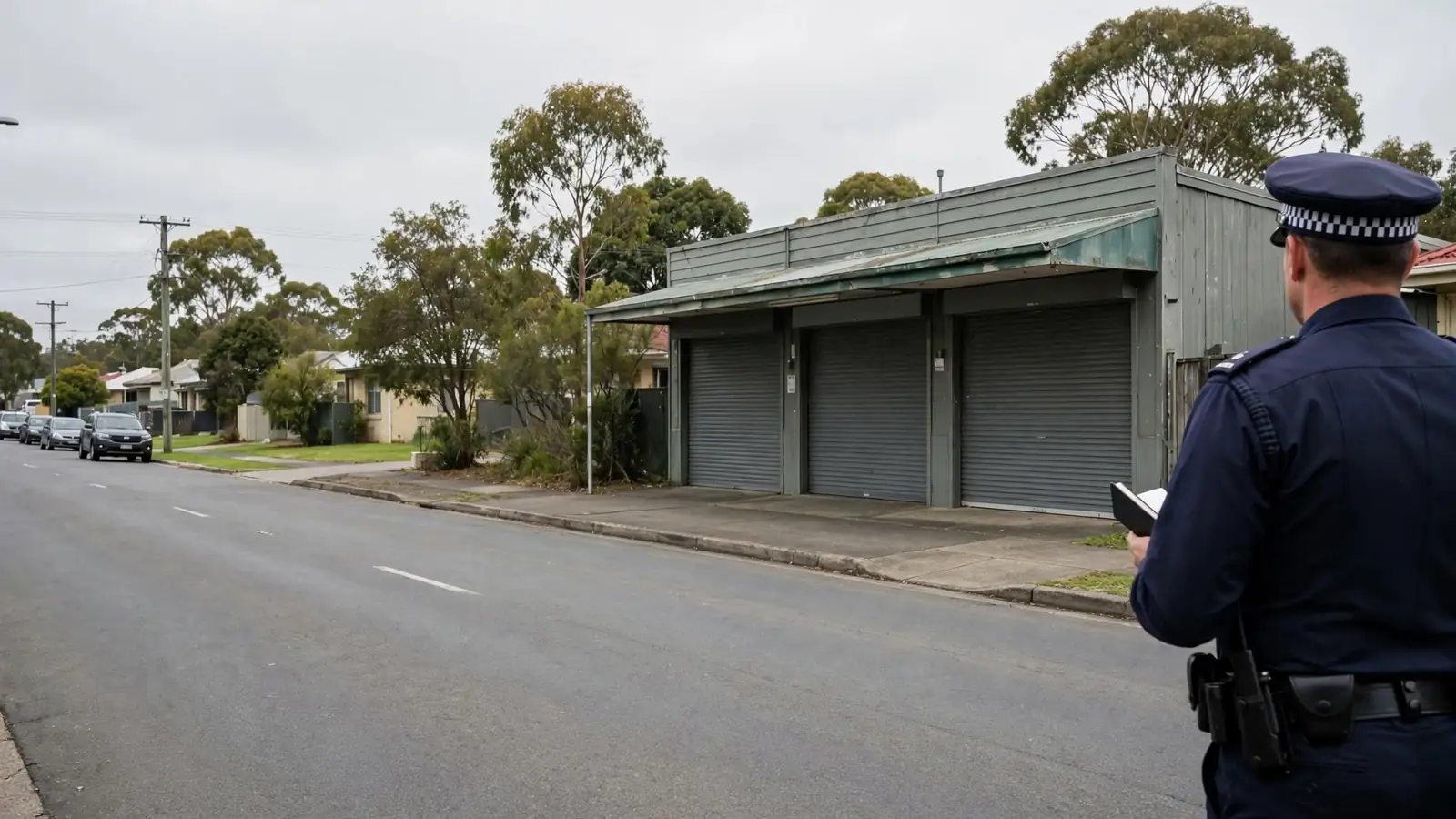
There is a similar discrepancy in reports about market exits. One version says that more than 220 illegal gambling services voluntarily exited the Australian market following ACMA action. Another says that over 220 online gambling services have withdrawn from Australia since the reforms. Both describe a substantial reduction in available services, but the wording does not establish that they measure exactly the same group of operators.
A blocked website may reappear under another domain, so a new address is not evidence that the business has become legitimate. Nor does a foreign licence change the Australian position. Offshore casinos may hold authorisation from Malta or Curacao, but that authorisation does not permit them to provide online casino games to Australian customers. There is no Australian licence for casino games because offering that product to Australians is against the law.
The market is growing, but growth is not a safety signal
Online gambling is the fastest-growing gambling segment. That makes responsible access more important, not less. In 2022, 11% of Australians said they had gambled online during the previous six months, compared with 8% in 2020. The figures show increased participation, but they do not show that online gambling has become safer or that a particular service deserves trust.
The financial picture is also reported in more than one way. One figure puts Australia’s gambling losses at approximately $32 billion during 2022–2023. Another states that Australians lose approximately $25 billion on legal forms of gambling each year. These are different measures: one concerns a stated period and gambling losses broadly, while the other is framed around legal gambling each year. Neither figure should be used to imply that every participant will lose a particular amount, but together they show why payment access and operator accountability deserve careful attention.
Does a foreign licence make a site legal in Australia?
No, an entry in a foreign register (like Malta or Curaçao) does not override the Australian Interactive Gambling Act regarding online casino services.
Am I committing a crime by betting on offshore sites?
An Australian is not committing a crime merely by placing a bet, but the service is not lawful, safe, or authorised for local customers.
What can ACMA do against illegal sites?
ACMA can direct internet service providers to block access to websites that are operating in breach of the Interactive Gambling Act.
Reports also indicate that the amount of money lost on gambling services based outside Australia has reduced since the reforms. That is a market-level observation, not a guarantee about an individual account. A person can still lose money at an offshore service, and may face additional difficulty when seeking a withdrawal, disputing a transaction or identifying the business responsible.
Harm is not limited to illegal websites
A lawful product is not automatically harmless. Gambling-related harm can involve financial pressure, secrecy, conflict, disrupted work or study, and repeated attempts to recover losses. The risk can increase when access is continuous and an account remains available across multiple devices.
A profile review has estimated problem gambling prevalence at between 0.5% and 1.0%, with a further 1.4%–2.1% at risk of developing problems. This is a finding from one type of source, not an established universal rate for every Australian gambling product or population. It should therefore be treated as an estimate with a defined source and subject, rather than as a fixed market norm.
You do not need to wait for serious financial damage before treating your gambling as a problem. Warning signs include hiding activity from people close to you, chasing losses, gambling to manage distress, borrowing to continue, or finding it difficult to stop when you intended to stop. Repeatedly switching between offshore casinos after a block or closure is another practical reason to pause rather than search for a replacement.

Use barriers that reduce access
If gambling is becoming difficult to control, voluntary barriers can be more useful than relying on willpower at the moment an urge appears. BetStop – the National Self-Exclusion Register™ is the national self-exclusion service for licensed Australian online and telephone wagering services. It is relevant to wagering, not a way to make an offshore casino lawful or to supervise a prohibited online casino account.
Support is also available through Gambling Help Online and state or territory services such as Gambler’s Help. If gambling is connected with immediate emotional danger, Lifeline provides crisis support. These services are not substitutes for financial or legal advice, but they give you a route to assistance before losses or distress escalate.
Practical steps can include removing gambling applications, asking your bank about available transaction controls, telling a trusted person what is happening and keeping records of deposits and withdrawals. Do not treat a successful withdrawal as proof that an offshore operator is safe. It only shows that one transaction was completed.
The central safety test is therefore straightforward: first ask whether the service is permitted to offer its product to Australians; then consider whether using it could expose you to financial or personal harm. When the answer to the first question is no, easier access is not a benefit. It is part of the risk.
Prepared by the Casino Tips Au editorial staff.